
Market entry strategy in enterprise software almost always begins with a vertical - a specific industry, a specific workflow, a specific pain point acute enough that buyers will prioritize solving it. For LLM Controls, that wedge is RFP automation for architecture, engineering, and construction firms. It's a workflow with the right characteristics: document-heavy, time-constrained, high-value, and currently handled through manual processes that AI can dramatically accelerate.
The Platform Capability Is Not Vertically Specific
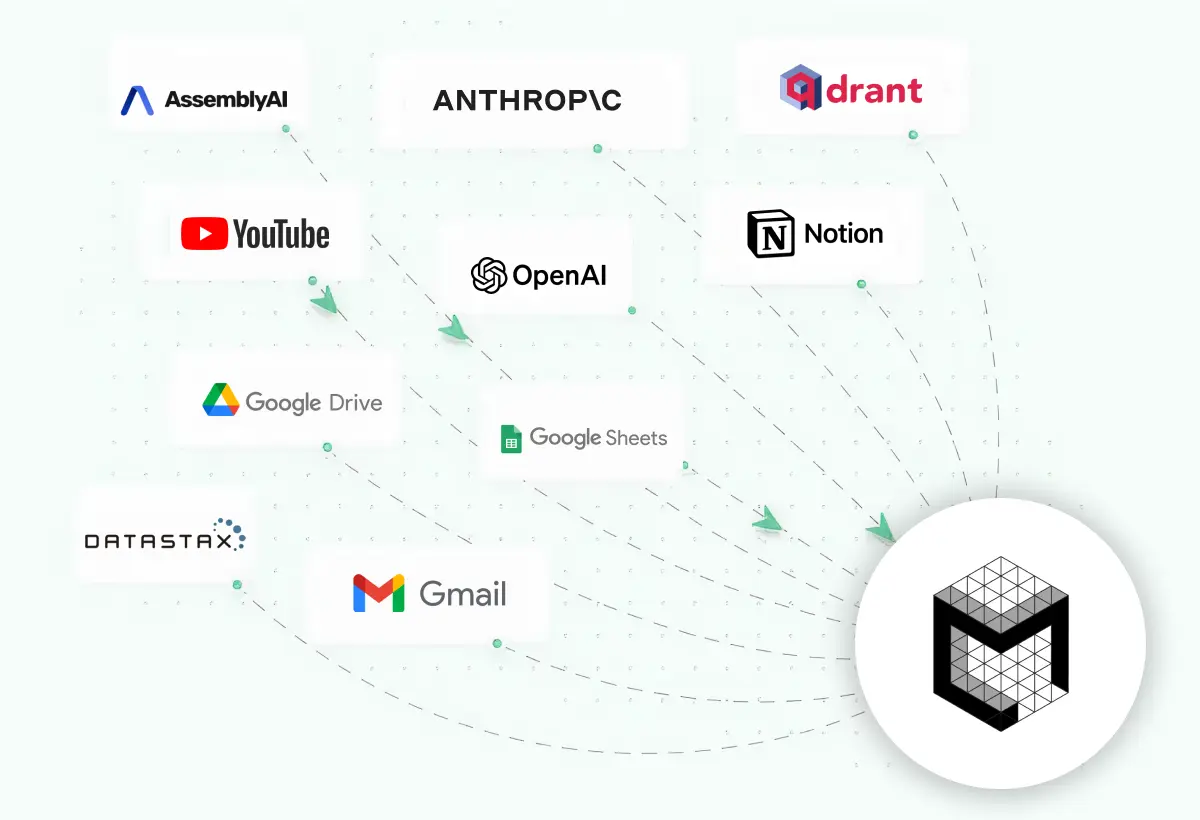
But the platform capability required to automate AEC proposals is not vertically specific. The orchestration layer, the multi-model routing logic, the RAG architecture, the validation and governance framework, the workflow composer - these are horizontal capabilities. They become more valuable, not less, as they're applied to new verticals with different compliance requirements, different data structures, and different optimization targets.
The Regulated Industries on the Expansion Roadmap
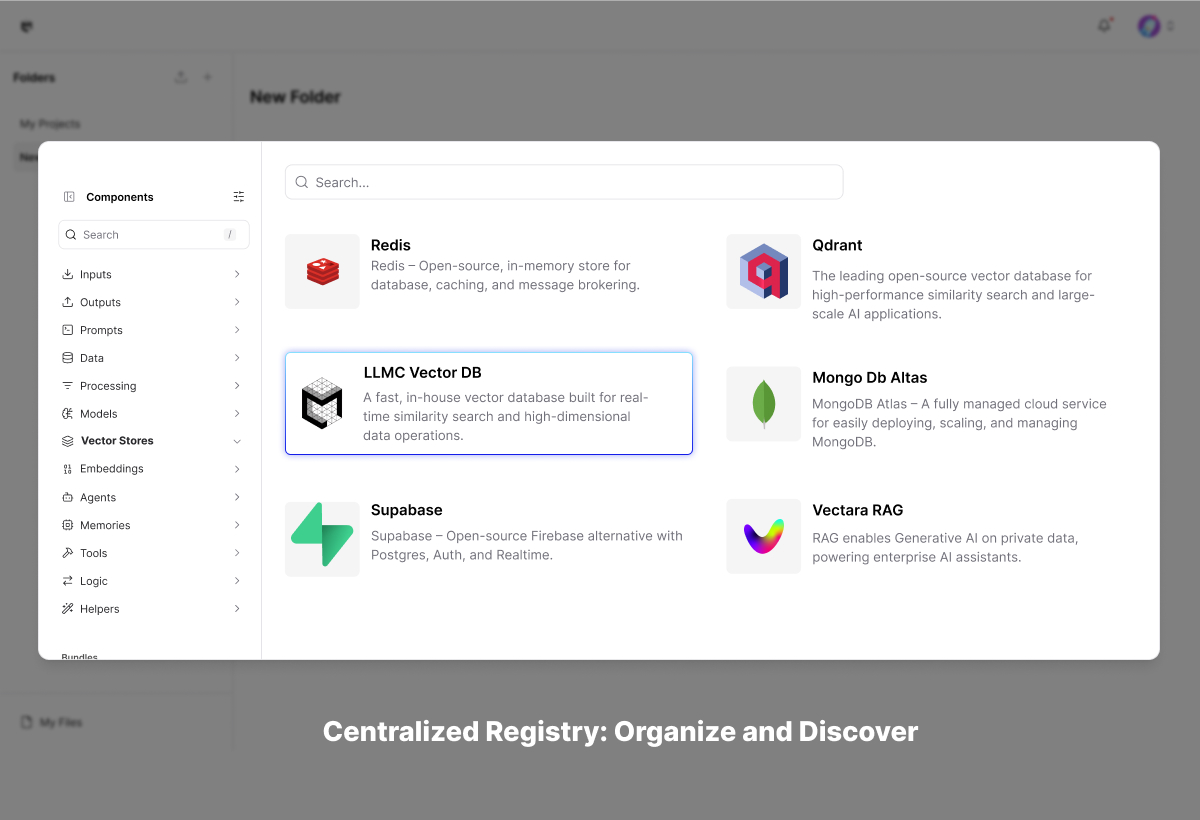
The regulated industries on the expansion roadmap share a common profile: they are document-intensive, compliance-constrained, and operating with significant AI opportunity that current tools haven't captured. Professional services firms manage complex client deliverables under strict quality standards. Financial services organizations deal with regulatory disclosure requirements that demand precision. Healthcare organizations navigate HIPAA and clinical accuracy constraints. Logistics operations require real-time decision support across complex supply chain variables.
The Same Architectural Foundation Applies
In each case, the same architectural foundation applies - with vertical-specific configuration of data connectors, compliance guardrails, model selection criteria, and output validation rules. The platform scales horizontally because the underlying control and orchestration problems are universal, even when the domain-specific requirements are not.
The Long Game for Enterprise AI
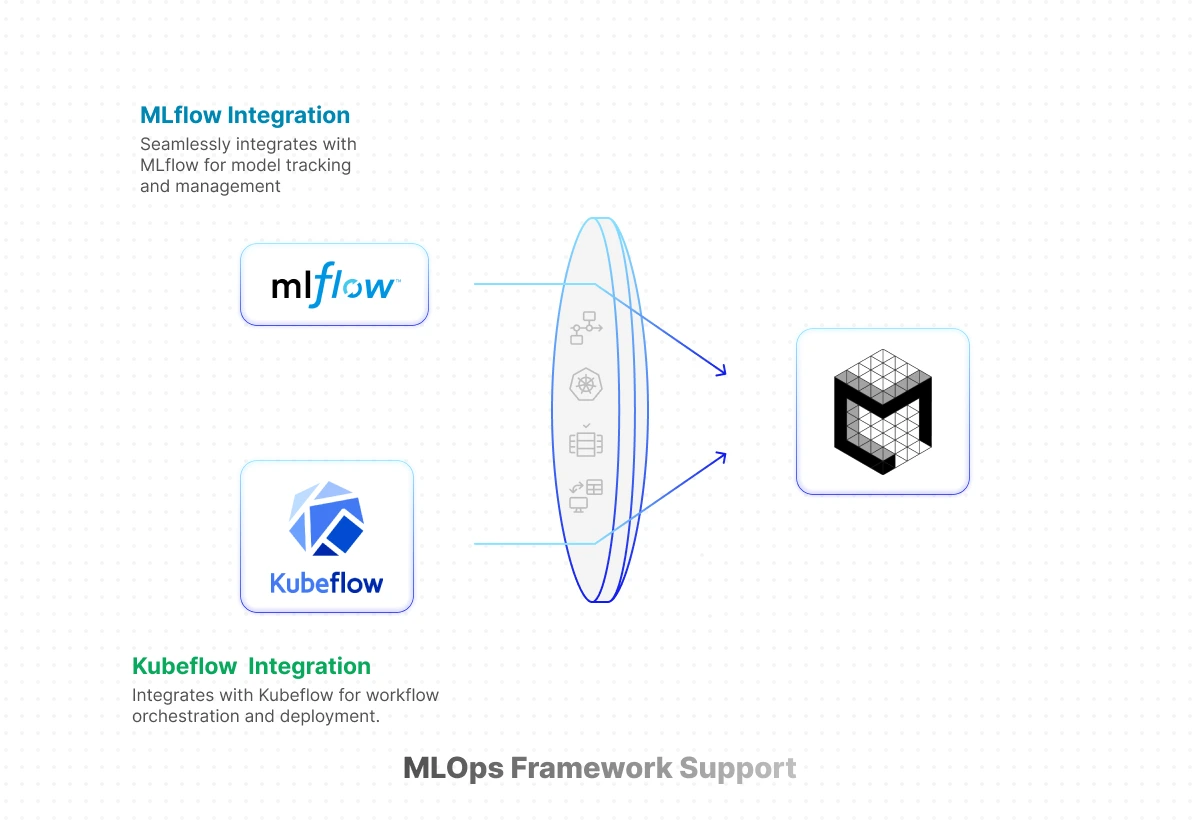
This is the long game for enterprise AI: not a point solution for a single workflow, but a governance and optimization layer that becomes the operating system for AI across the entire organization - and eventually, across industries.