
FDE AI for the Enterprise
Share your enterprise requirements. Our Agentic Platform: LLMC FDE AI™ scopes them, builds the pipeline, and tunes it to your accuracy, performance, and cost targets, with your team in control at every step.
Trusted by teams that need automation deployed fast, not another stack to manage







LLM Controls is built for organizations that want AI to improve operations in the real world, not just in a demo. We work with companies that have repetitive workflows, scattered systems, manual handoffs, and too much operational work sitting on teams that should be focused on higher-value execution.
Forward-deployed AI engineering
LLM Controls is FDE AI
The bridge between AI that demos well and AI that works in production.
Getting AI into production has always depended on forward-deployed engineers: the people who scope the real problem, connect your systems, ship into your environment, and keep tuning after launch.
That expertise is scarce, manual, and rarely carries over from one engagement to the next. LLM Controls automates it, from scoping through production, on infrastructure built for the job.
- Advanced infrastructure
- Model serving, tracing, evaluation, and governance in one platform, across closed, open, and self-hosted models.
- Predictable cost, accuracy, and performance
- Every deployment is measured against the targets you set, then tuned to keep meeting them.
- Financially responsible and sustainable
- Each task runs on the right-sized model, so inference spend and energy use stay under control.
Who It Is For
For founders and operators
Use LLM Controls to remove bottlenecks, reduce repetitive work, and put reliable AI workflows into the business without building an internal AI function from scratch.
For operations teams
Automate repetitive work across email, CRM, spreadsheets, approvals, service workflows, and internal systems. Reduce handoffs, improve speed, and make operations easier to scale.
For teams that need AI to hold up in production
LLM Controls is built for organizations that want stable deployment, clearer ownership, traceability, and ongoing support after launch.
Operational drag
Why companies buy LLM Controls
Most companies do not have an AI problem. They have an execution problem.
Work gets stuck between inboxes, spreadsheets, CRMs, approvals, service systems, and internal handoffs. Teams spend time routing information, chasing follow-ups, checking statuses, moving data, and cleaning up errors.
LLM Controls removes that friction by implementing AI workflows that are designed to work inside the reality of your business, then supporting them after launch.
Before
With LLM Controls
Faster turnaround
Less waiting
Cleaner ownership
Fewer handoffs
Durable workflows
After launch
The result is faster execution, less repetitive work, lower operating cost, and clearer visibility into what is actually happening.
Workflow targets
What we solve
We help teams automate operational workflows that create delay, cost, inconsistency, and manual overhead.
The best fit is usually a workflow that is repetitive, high-friction, cross-functional, time-sensitive, or expensive when it breaks.
Client Solutions
What We've Built. What We've Proved.
Three markets. Three hard problems. Delivered results that exceeded expectations.
How it works
Every customer gets their own deployment engineer, available on demand
Share your requirements and cooperating agents take it from there. A Scoping Agent defines the deployment, a Build Agent assembles it, and an Optimization Agent keeps tuning it after launch, while your team can inspect and change any part of it.
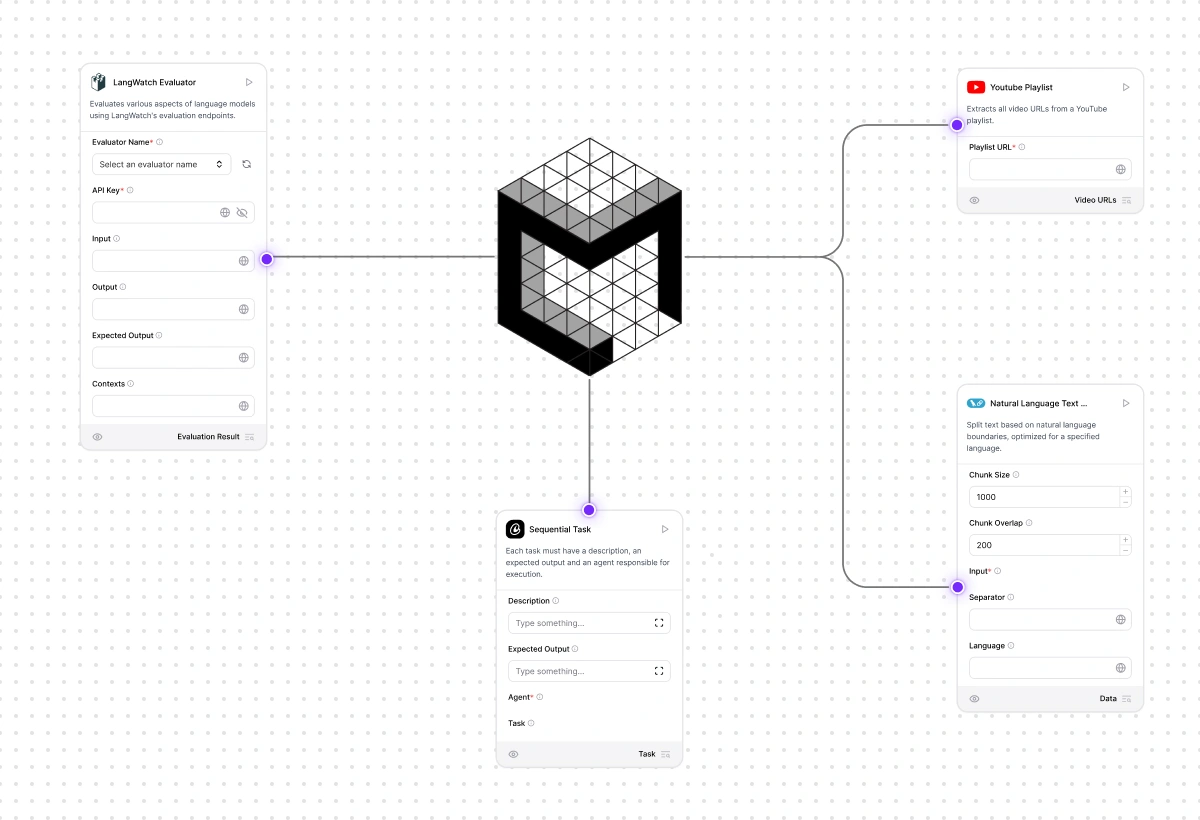
The Scoping Agent turns requirements into a deployment spec
It runs the requirements conversation and turns it into a concrete spec: use case, data sources, models, storage, budget, and constraints. You get technical specs, an architecture recommendation, and cost estimates up front.
The Scoping Agent turns requirements into a deployment spec
It runs the requirements conversation and turns it into a concrete spec: use case, data sources, models, storage, budget, and constraints. You get technical specs, an architecture recommendation, and cost estimates up front.
The FDE lifecycle
The engineering last mile for AI adoption
- 1
Understand
Map business goals and workflows.
- 2
Build
Assemble models, prompts, tools, and logic.
- 3
Integrate
Connect data, APIs, and enterprise systems.
- 4
Validate
Test accuracy, latency, reliability, and cost.
- 5
Deploy
Ship to production with security and governance.
- 6
Optimize
Continuously tune models, context, and routing.
- 7
Operate
Monitor, trace, govern, and maintain.
- 8
Deliver outcomes
Achieve metrics-driven results.
Consider This
Why not build an internal AI team first
Building an internal AI team sounds attractive until you account for the real cost, time, and execution risk.
First, you need to decide what to hire for. Then you need to recruit the right mix of product thinking, workflow design, engineering, model knowledge, and operational ownership. Then you still need infrastructure, deployment discipline, monitoring, and a way to keep everything running after launch.
For most organizations, that is too much weight to carry before a single workflow is delivering value.
LLM Controls gives you a faster path. Instead of spending months building internal capability before seeing outcomes, you can start with the workflows creating the most drag, deploy quickly, and prove value inside the business first.
You still get control. You still get visibility. You still get a system that can grow. You just do not have to build the full machine yourself before getting results.
Timing
Why this matters now
AI adoption is now limited less by model capability than by the number of people who can deploy and tune it.
Production AI is getting more complex, more dynamic, and more expensive to engineer by hand. Model choice is exploding, agentic workflows add more tools and dependencies, inference has become a real operating expense, and enterprises now expect data control, reliability, and auditability on top.
More complexity, more choice, and more cost pressure all mean more forward-deployed engineering work. LLM Controls closes that gap by automating the engineering itself.
729%
Growth in forward-deployed engineer job postings on Indeed in one year, from 643 in April 2025 to 5,330 in April 2026.
The problem
Most AI setups are a house of cards waiting to collapse
Six months after launch, half the workflows are broken, no one clearly owns the system, and every vendor change creates more work for the team that was supposed to benefit from automation in the first place.
Too many tools stitched together
Patchwork automations break when one integration changes, one API shifts, or one vendor updates the way something works.
Subscription stacking
Costs grow fast when every workflow depends on another paid tool, another connector, another automation layer, and more model usage on top.
No traceability
When something goes wrong, most teams cannot see what happened, why it happened, or where the failure started.
Vendor lock-in
Your workflows become dependent on roadmaps, pricing, and product decisions you do not control.
Slow delivery
Traditional consulting timelines are too slow for teams that need operational lift now, not after a long scoping cycle and a delayed rollout.
No ownership after launch
Once the build is handed off, maintenance becomes a burden, improvement slows down, and the workflow starts to decay.
Compare Your Options
4 paths. 1 clear winner.
Foundation models, frameworks, and automation tools each solve part of the problem. LLM Controls combines automation with continuous optimization, from build through production.
DIY on foundation models
Closed and open-source models are powerful but raw. Getting them into production takes deep in-house expertise in prompts, retrieval, evaluation, and infrastructure.
AI frameworks
Frameworks make language models accessible to developers, but accuracy, performance, and latency are left to you. Nothing guarantees how the result behaves in production.
Workflow automation tools
Good for wiring up workflows quickly, with little if any optimization of the models or prompts running underneath them.
LLM Controls
- End-to-end FDE automation. From build through production.
- Continuous optimization. Accuracy, performance, and cost.
- Model agnostic. Closed, open, or self-hosted.
- Outcome ownership. Platform and engineering through to production.
Platform
Build, evaluate, optimize, deploy, and govern on one platform
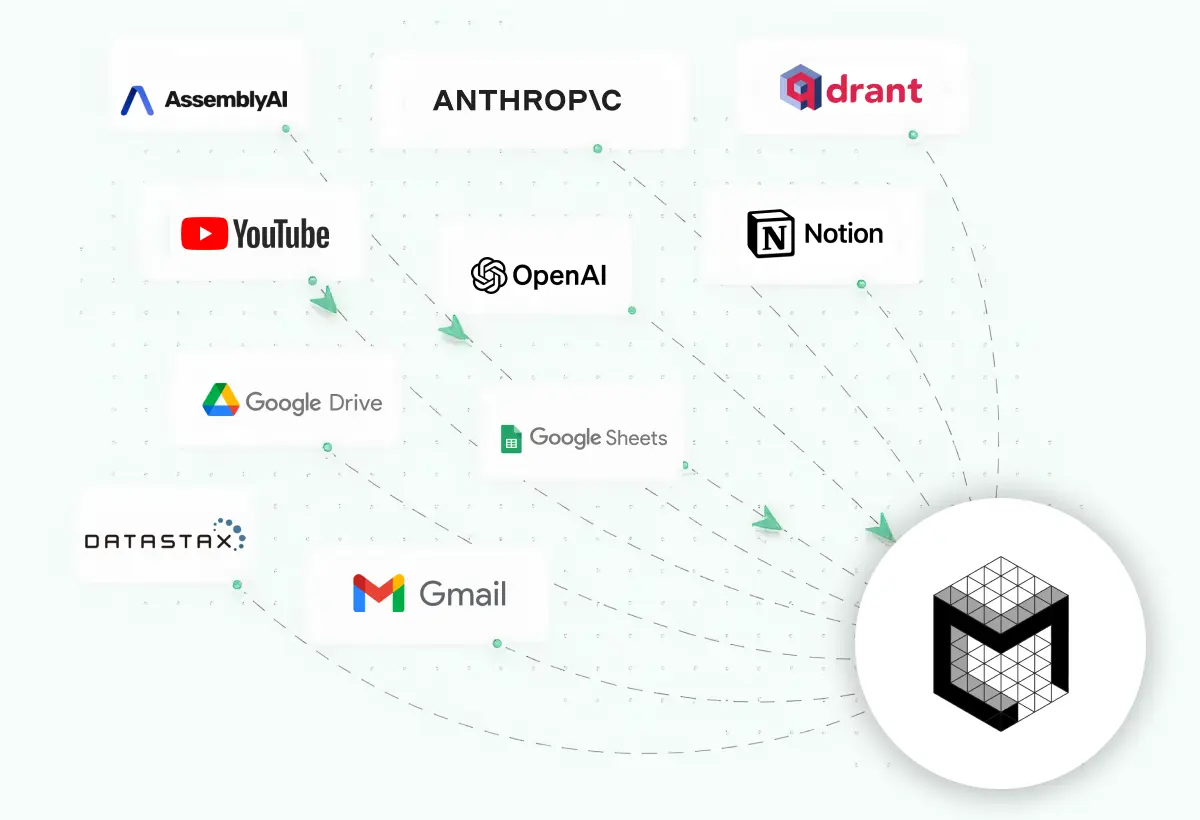
LLM Controls sits between your applications, from APIs and copilots to chatbots, agents, and AI workflows, and everything they depend on: model providers like OpenAI, Anthropic, and open-source models, plus your databases, messaging systems, policies, and document stores.
Because the implementation layer and the platform layer sit together, we can deploy faster, keep pipelines stable, and keep improving what we build over time.
Expert optimization agent
Continuously tunes models, prompts, context, and routing against the targets you set.
Request tracing and observability
Every request is traced, so you can see what happened, why it happened, and what it cost.
Governance and policy enforcement
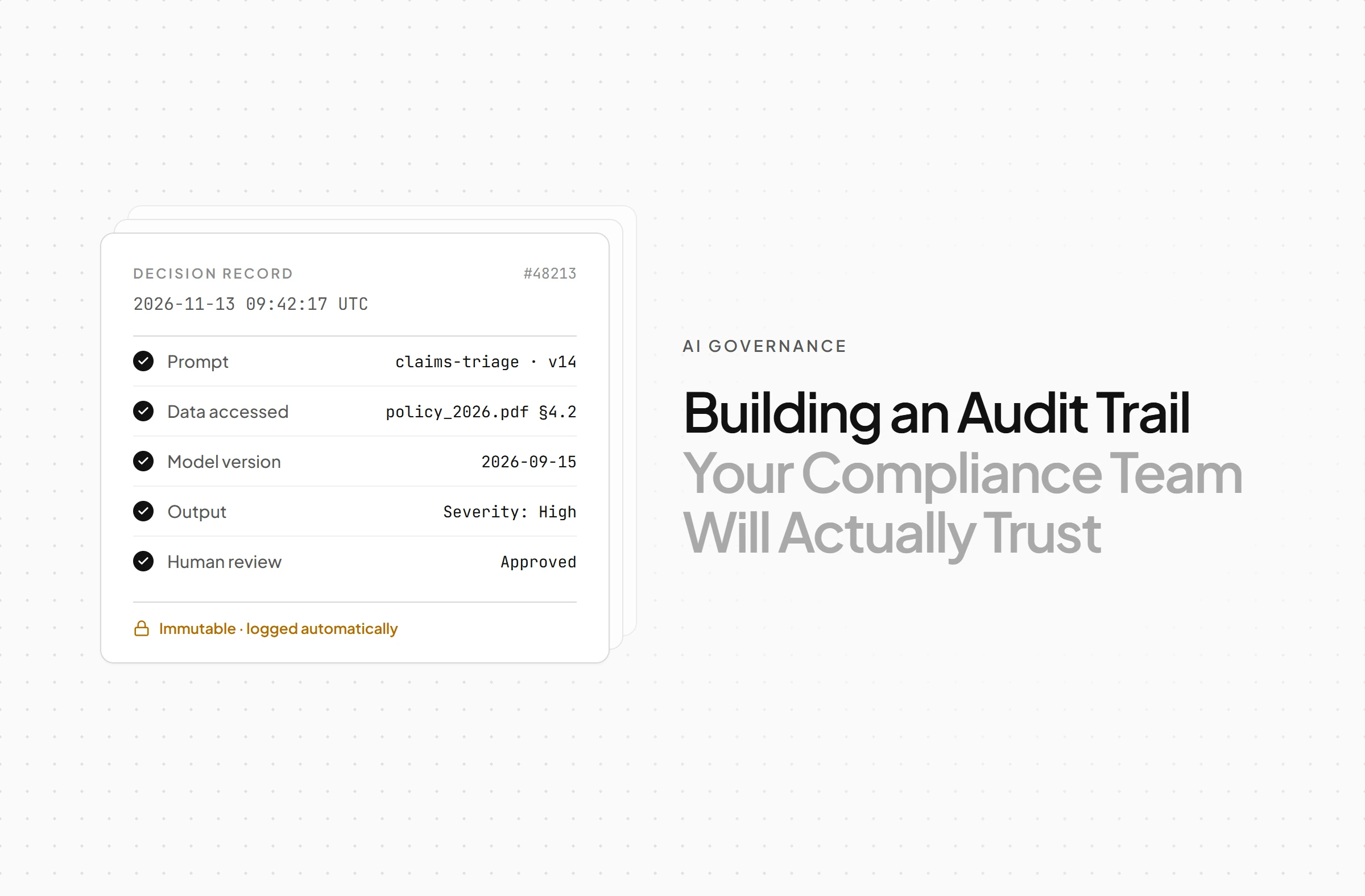
Security, access, and policy controls enforced in production, with audit logs ready for compliance review.
Cost monitoring and optimization
Track inference spend and move workloads to the most cost-efficient model that still meets your targets.
LLM ops and prompt management
Version, test, and manage prompts and context across every deployment.
Model agnostic
Use closed, open, or self-hosted models, and switch without rebuilding the pipeline underneath.
Outcome
Apps and agents optimized for what matters
- Accuracy
- The quality of every answer, measured against your evals.
- Performance
- Latency and throughput that meet your service levels.
- Cost
- A return on every dollar of inference and energy spend.
Optimized together, against the targets you set.
Pricing
Implementation Plan
The Implementation Plan is the core way to work with LLM Controls. It is built for organizations that want real workflow implementation, not just software access.
We identify the workflows creating the most drag, implement them on our platform, deploy fast, and keep improving what goes live. For most buyers, this is the right place to start.
No setup fees to start.
Implementation Plan
Month-to-month option available. Cancel if it does not deliver.
What's included
Who it is for
Teams that want production workflow deployment, fast turnaround, ongoing support, and a platform that stays stable as the business evolves.
Enterprise is available for larger organizations that need broader scope, deeper controls, or more complex deployment needs.
Learn more about pricingWorkflows
Typical workflows we implement
LLM Controls is well suited to organizations that need AI workflow automation across day-to-day operations.
Email triage and routing
Lead qualification and follow-up
Internal approvals and handoffs
Data extraction and structured updates
Compliance and audit processes
Service coordination workflows
Operational follow-up across teams and systems
Status tracking and exception handling workflows
Internal workflow orchestration across disconnected systems
Industries
We work with teams in logistics and warehousing, healthcare and clinics, staffing and recruiting, professional services, e-commerce, and insurance.
What these industries tend to have in common is repetitive operational work, fragmented systems, high coordination load, and workflows that become expensive when they are delayed or handled inconsistently.
The difference
The difference in practical terms
See what changes when implementation, platform, and support come from one team.
Feedback
What clients say when the system actually works
Outcome-led proof, not generic platform praise.
“We'd tried two other consultants before. Both left us with something that broke within a month. LLM Controls built it on their own platform and it just works.”
“I did not expect it to be live in two days. Literally two days. Our workflow was automated before we had time to second-guess the decision.”
“What sold me was that they own the technology. I am not at the mercy of someone else's roadmap.”
Blogs
Explore our latest
blog articles
FAQ
Frequently asked questions
Everything you need to know before booking a call.
We identify operational bottlenecks, implement AI workflows on our platform, deploy quickly, and keep improving the system over time.
Many workflows can go live in 1–2 days, depending on complexity and the systems involved.
No. LLM Controls is built for companies that want outcomes without building an internal AI capability from scratch.
Because most patchwork stacks create integration debt, weak ownership, and unstable workflows. LLM Controls combines implementation and platform in one model.
Operational workflows across back-office work, service delivery, sales support, compliance, and cross-system coordination are usually the strongest fit.
Because most companies do not need a tool to experiment with. They need a workflow partner that can identify the right bottlenecks, deploy quickly, and stay involved after launch.
We continue improving the workflow, supporting the rollout, and expanding into the next highest-value use cases.

Get started
Get an automation plan
for your business
Book a discovery call and we will identify the highest-value workflows to automate, show you how we would build and deploy them on our platform, and keep improving what goes live.