
AI implementation for operations teams. Delivered on our platform.
LLM Controls helps growing companies identify operational bottlenecks, deploy AI workflows in 1–2 days, and keep them running on proprietary infrastructure that stays stable as requirements change.
Trusted by teams that need automation deployed fast, not another stack to manage







LLM Controls is built for organizations that want AI to improve operations in the real world, not just in a demo. We work with companies that have repetitive workflows, scattered systems, manual handoffs, and too much operational work sitting on teams that should be focused on higher-value execution.
What We Are
What LLM Controls is
LLM Controls is team-backed AI implementation for organizations that want operational outcomes, not another chain of disconnected tools.
We identify the workflows creating the most drag inside your business, implement automations on our platform, deploy quickly, and keep improving what goes live. You do not need to hire an internal AI team, manage a patchwork of vendors, or wait months for consultants to deliver something brittle.
This is not software access on its own. This is not generic consulting on its own. LLM Controls combines implementation, platform, deployment, monitoring, and ongoing support in one delivery model.
Who It Is For
For founders and operators
Use LLM Controls to remove bottlenecks, reduce repetitive work, and put reliable AI workflows into the business without building an internal AI function from scratch.
For operations teams
Automate repetitive work across email, CRM, spreadsheets, approvals, service workflows, and internal systems. Reduce handoffs, improve speed, and make operations easier to scale.
For teams that need AI to hold up in production
LLM Controls is built for organizations that want stable deployment, clearer ownership, traceability, and ongoing support after launch.
Why Companies Buy
Why companies buy LLM Controls
Most companies do not have an AI problem. They have an execution problem.
Work gets stuck between inboxes, spreadsheets, CRMs, approvals, service systems, and internal handoffs. Teams spend time routing information, chasing follow-ups, checking statuses, moving data, and cleaning up errors. The result is slower execution, more manual work, higher operating cost, and less visibility into what is actually happening.
LLM Controls helps remove that friction by implementing AI workflows that are designed to work inside the reality of your business. That means faster turnaround, less repetitive work, clearer ownership, and systems that keep delivering after launch.
What We Solve
What we solve
We help teams automate operational workflows that create delay, cost, inconsistency, and manual overhead.
The best fit is usually a workflow that is repetitive, high-friction, cross-functional, time-sensitive, or expensive when it breaks.
How It Works
How implementation works
We identify the workflows creating the most drag, scope the right implementation path, build on our platform, deploy fast, and stay involved after launch.
We identify the workflows creating the most drag
We start with the bottlenecks slowing down execution, creating manual work, or increasing operational risk. We focus on workflows where automation can create visible operational lift fast.
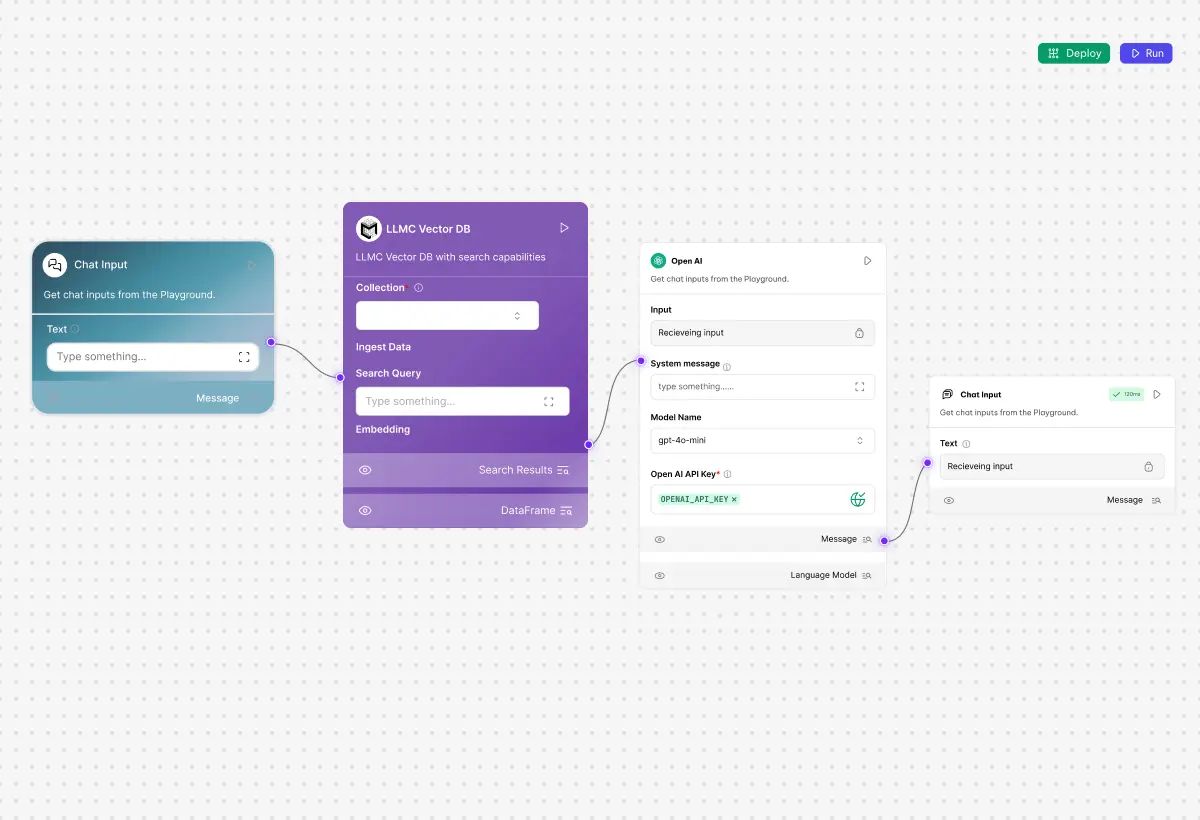
We identify the workflows creating the most drag
We start with the bottlenecks slowing down execution, creating manual work, or increasing operational risk. We focus on workflows where automation can create visible operational lift fast.
Identify the biggest bottlenecks
We start with the workflows slowing down execution, creating manual work, or increasing operational risk.
Scope the right implementation path
We define where AI is useful, where humans stay in the loop, and what the workflow should do in production.
Build on our unified platform
Every workflow is implemented inside one controlled environment with fewer failure points and better visibility.
Deploy in 1–2 days
Because we own the platform, we can move quickly inside your real operating environment.
Stay involved after launch
We continue to support, improve, and expand what gets deployed as your requirements evolve.
Consider This
Why not build an internal AI team first
Building an internal AI team sounds attractive until you account for the real cost, time, and execution risk.
First, you need to decide what to hire for. Then you need to recruit the right mix of product thinking, workflow design, engineering, model knowledge, and operational ownership. Then you still need infrastructure, deployment discipline, monitoring, and a way to keep everything running after launch.
For most organizations, that is too much weight to carry before a single workflow is delivering value.
LLM Controls gives you a faster path. Instead of spending months building internal capability before seeing outcomes, you can start with the workflows creating the most drag, deploy quickly, and prove value inside the business first.
You still get control. You still get visibility. You still get a system that can grow. You just do not have to build the full machine yourself before getting results.
Timing
Why this matters now
Most organizations already know there is too much repetitive work across operations. The issue is not identifying that AI could help. The issue is getting something deployed that actually works, keeps working, and produces value without creating a new maintenance problem.
That is the gap LLM Controls fills. We help organizations move from interest in AI to operational deployment with a model that is faster, more controlled, and easier to sustain.
The problem
Most AI setups are a house of cards waiting to collapse
Six months after launch, half the workflows are broken, no one clearly owns the system, and every vendor change creates more work for the team that was supposed to benefit from automation in the first place.
Too many tools stitched together
Patchwork automations break when one integration changes, one API shifts, or one vendor updates the way something works.
Subscription stacking
Costs grow fast when every workflow depends on another paid tool, another connector, another automation layer, and more model usage on top.
No traceability
When something goes wrong, most teams cannot see what happened, why it happened, or where the failure started.
Vendor lock-in
Your workflows become dependent on roadmaps, pricing, and product decisions you do not control.
Slow delivery
Traditional consulting timelines are too slow for teams that need operational lift now, not after a long scoping cycle and a delayed rollout.
No ownership after launch
Once the build is handed off, maintenance becomes a burden, improvement slows down, and the workflow starts to decay.
Compare Your Options
Four paths. One clear winner.
Build internally
You spend time hiring, scoping roles, choosing infrastructure, building internal processes, and figuring out what should even be automated first. That can make sense later, but for most companies it is the slowest and riskiest path to early operational outcomes.
Use consultants on third-party tools
You may get something launched, but the stack is often held together by tools the consultant does not own and your team does not fully control. When something breaks, support becomes fragmented and the client carries the long-term burden.
Stitch together automation tools in-house
This looks cheaper at the start, but it creates integration debt, subscription stacking, weak traceability, and a lot of hidden maintenance work over time.
Use LLM Controls
You get workflow discovery, implementation, deployment, platform, monitoring, and ongoing support in one model. The result is faster deployment, stronger control, cleaner ownership, and a more stable system after launch.
Platform
Why LLM Controls is different
Most firms piece together AI on tools they do not own. LLM Controls delivers implementation on proprietary infrastructure, which is why we can move faster, keep workflows stable, and support what we build over time.
That difference matters operationally. It changes how quickly we can deploy, how clearly we can monitor the workflow, how reliably we can support it, and how much complexity your team has to carry after launch.
One platform. Zero integration debt.
All automations live in one environment we control instead of a fragile chain of tools that silently drift apart.
Built-in traceability and audit logs
Every workflow decision is logged and easier to review, which matters for compliance, debugging, and operational confidence.
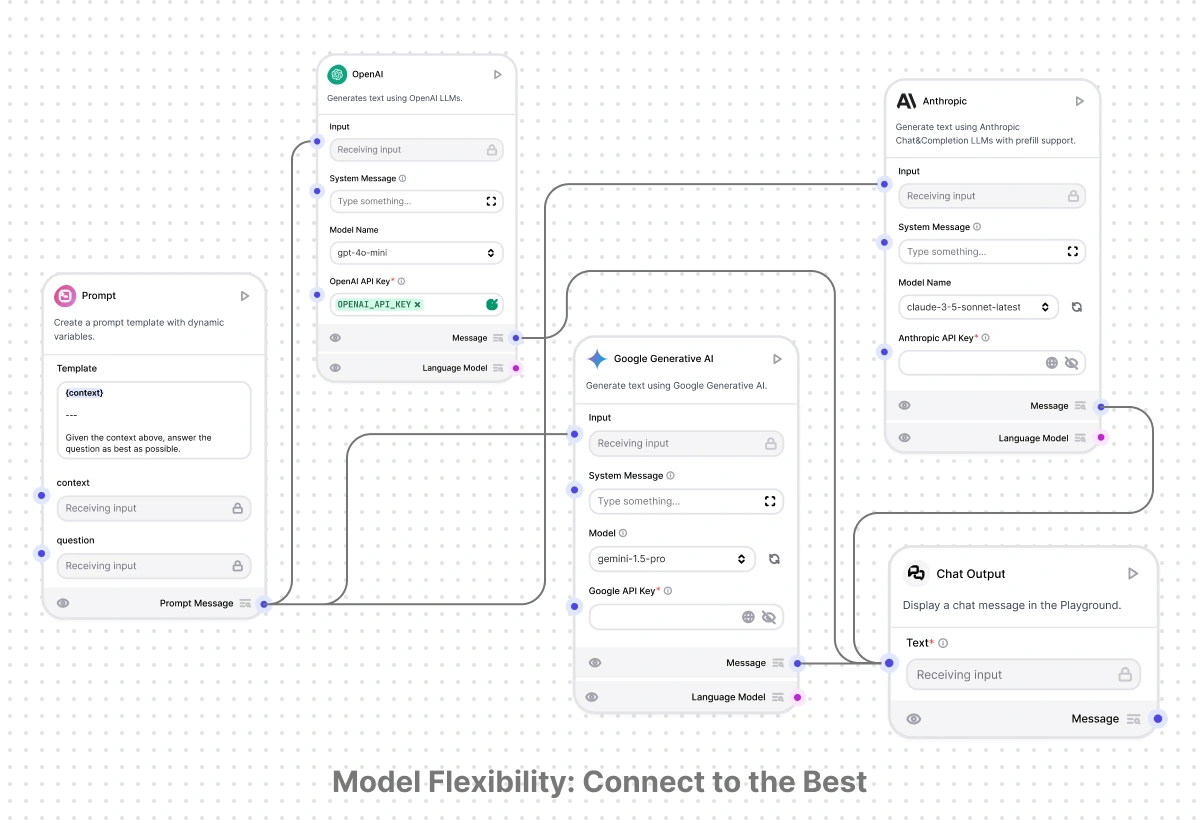
Model-agnostic by design
Change models without rebuilding the workflow layer underneath the business process.
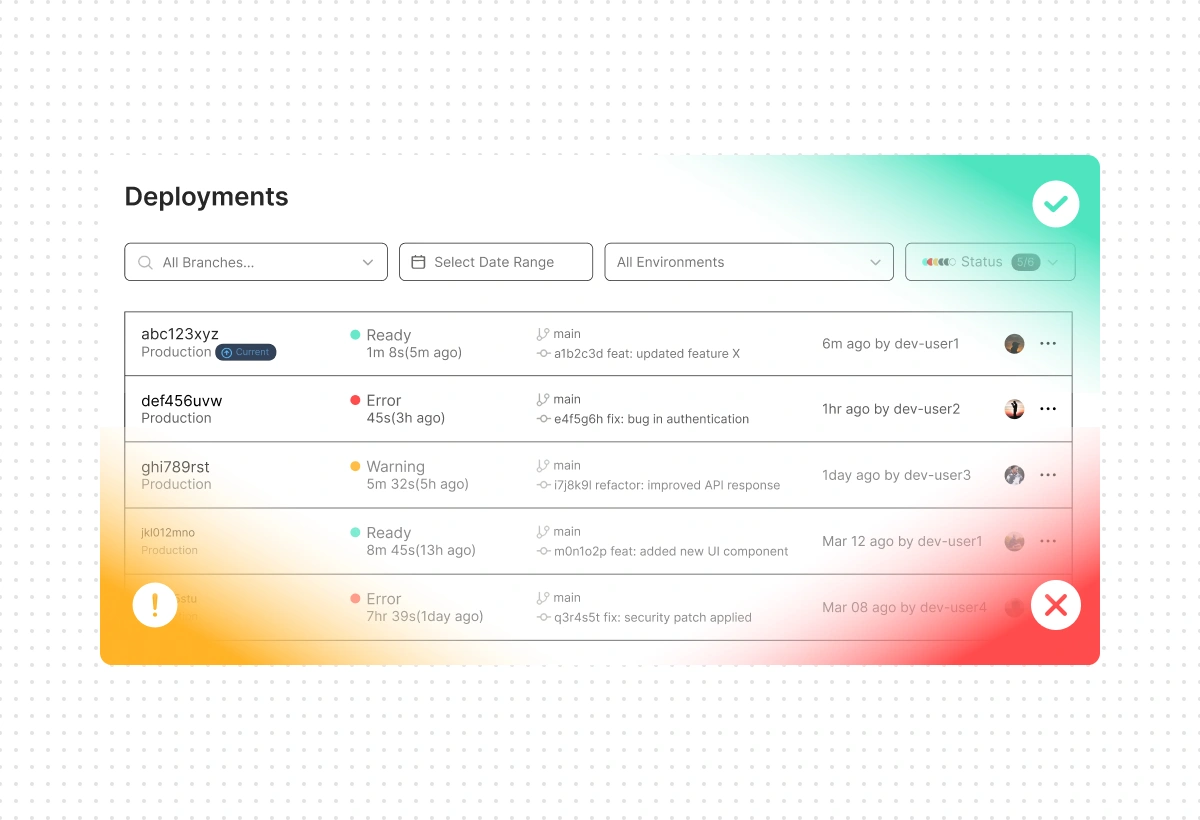
Real-time monitoring
See performance, cost, and workflow behavior clearly instead of guessing where time and money are going.
Reusable workflow patterns
What gets built once helps speed up the next deployment, which improves both rollout time and long-term value.
Support that stays with the system
We do not disappear after launch. We stay involved to improve, stabilize, and expand what goes live.
Why owning the platform changes the outcome
Other firms deploy on tools they rent from someone else. When those tools change, the client pays the operational price. LLM Controls is different because the implementation layer and the platform layer sit together.
That gives you faster deployment, better stability, stronger traceability, cleaner support, and a more coherent operating model over time. It also means your team spends less time managing breakage and more time benefiting from the workflow itself.
Pricing
Implementation Plan
The Implementation Plan is the core way to work with LLM Controls. It is built for organizations that want real workflow implementation, not just software access.
We identify the workflows creating the most drag, implement them on our platform, deploy fast, and keep improving what goes live. For most buyers, this is the right place to start.
No setup fees to start.
Implementation Plan
Month-to-month option available. Cancel if it does not deliver.
What's included
Who it is for
Teams that want production workflow deployment, fast turnaround, ongoing support, and a platform that stays stable as the business evolves.
Enterprise is available for larger organizations that need broader scope, deeper controls, or more complex deployment needs.
Learn more about pricingWorkflows
Typical workflows we implement
LLM Controls is well suited to organizations that need AI workflow automation across day-to-day operations.
Email triage and routing
Lead qualification and follow-up
Internal approvals and handoffs
Data extraction and structured updates
Compliance and audit processes
Service coordination workflows
Operational follow-up across teams and systems
Status tracking and exception handling workflows
Internal workflow orchestration across disconnected systems
Industries
We work with teams in logistics and warehousing, healthcare and clinics, staffing and recruiting, professional services, e-commerce, and insurance.
What these industries tend to have in common is repetitive operational work, fragmented systems, high coordination load, and workflows that become expensive when they are delayed or handled inconsistently.
The difference
The difference in practical terms
See what changes when implementation, platform, and support come from one team.
Feedback
What clients say when the system actually works
Outcome-led proof, not generic platform praise.
“We'd tried two other consultants before. Both left us with something that broke within a month. LLM Controls built it on their own platform and it just works.”
“I did not expect it to be live in two days. Literally two days. Our workflow was automated before we had time to second-guess the decision.”
“What sold me was that they own the technology. I am not at the mercy of someone else's roadmap.”
“We'd tried two other consultants before. Both left us with something that broke within a month. LLM Controls built it on their own platform and it just works.”
“I did not expect it to be live in two days. Literally two days. Our workflow was automated before we had time to second-guess the decision.”
“What sold me was that they own the technology. I am not at the mercy of someone else's roadmap.”
“We'd tried two other consultants before. Both left us with something that broke within a month. LLM Controls built it on their own platform and it just works.”
“I did not expect it to be live in two days. Literally two days. Our workflow was automated before we had time to second-guess the decision.”
“What sold me was that they own the technology. I am not at the mercy of someone else's roadmap.”
Blogs
Explore our latest
blog articles
FAQ
Frequently asked questions
Everything you need to know before booking a call.
We identify operational bottlenecks, implement AI workflows on our platform, deploy quickly, and keep improving the system over time.
Many workflows can go live in 1–2 days, depending on complexity and the systems involved.
No. LLM Controls is built for companies that want outcomes without building an internal AI capability from scratch.
Because most patchwork stacks create integration debt, weak ownership, and unstable workflows. LLM Controls combines implementation and platform in one model.
Operational workflows across back-office work, service delivery, sales support, compliance, and cross-system coordination are usually the strongest fit.
Because most companies do not need a tool to experiment with. They need a workflow partner that can identify the right bottlenecks, deploy quickly, and stay involved after launch.
We continue improving the workflow, supporting the rollout, and expanding into the next highest-value use cases.

Get started
Get an automation plan
for your business
Book a discovery call and we will identify the highest-value workflows to automate, show you how we would build and deploy them on our platform, and keep improving what goes live.