
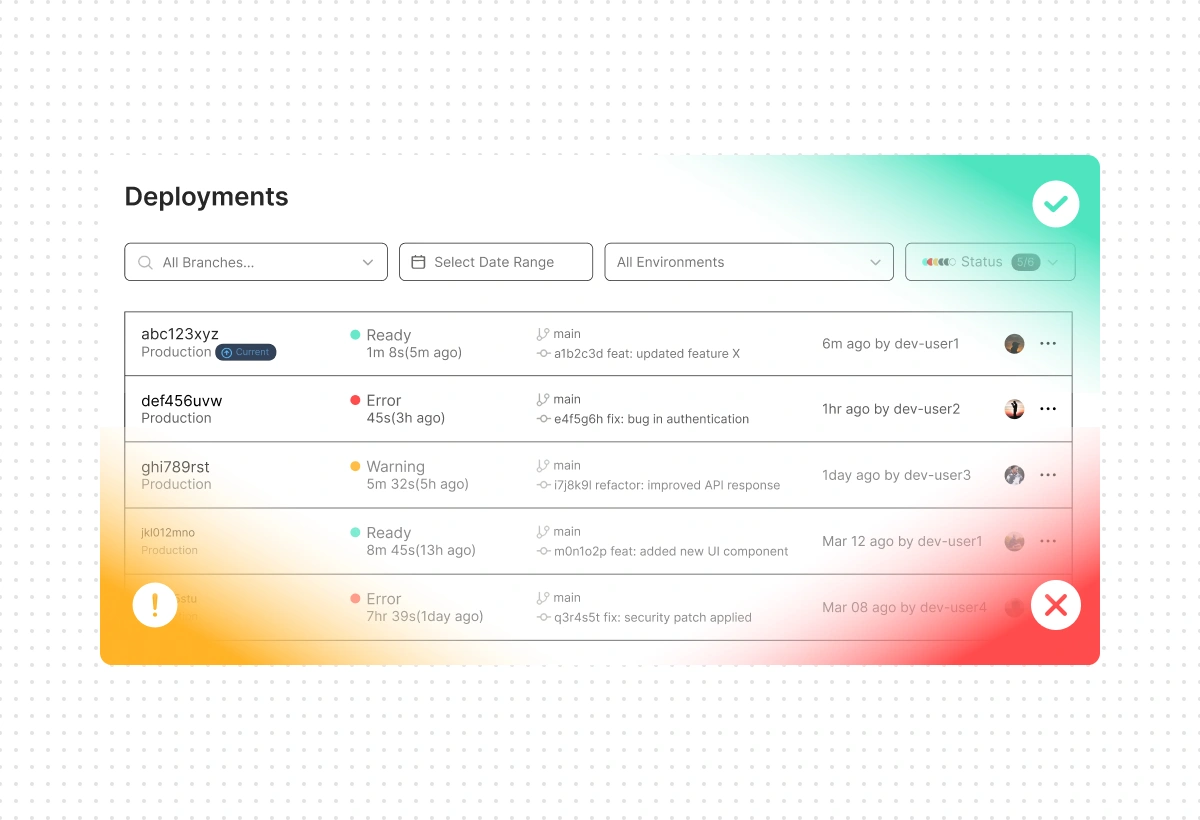
AI pilots succeed at a remarkably high rate. Production deployments succeed at a remarkably low one. The gap between these two outcomes is the central challenge of enterprise AI - and understanding why it exists is the first step to closing it.
The pilot environment is controlled in ways that production is not. Data is curated. Use cases are scoped. Evaluations are done by people who built the system and understand its limitations. When a pilot 'works,' what that actually means is that it works under optimal conditions - which are rarely the conditions that production presents.
What Happens in Production
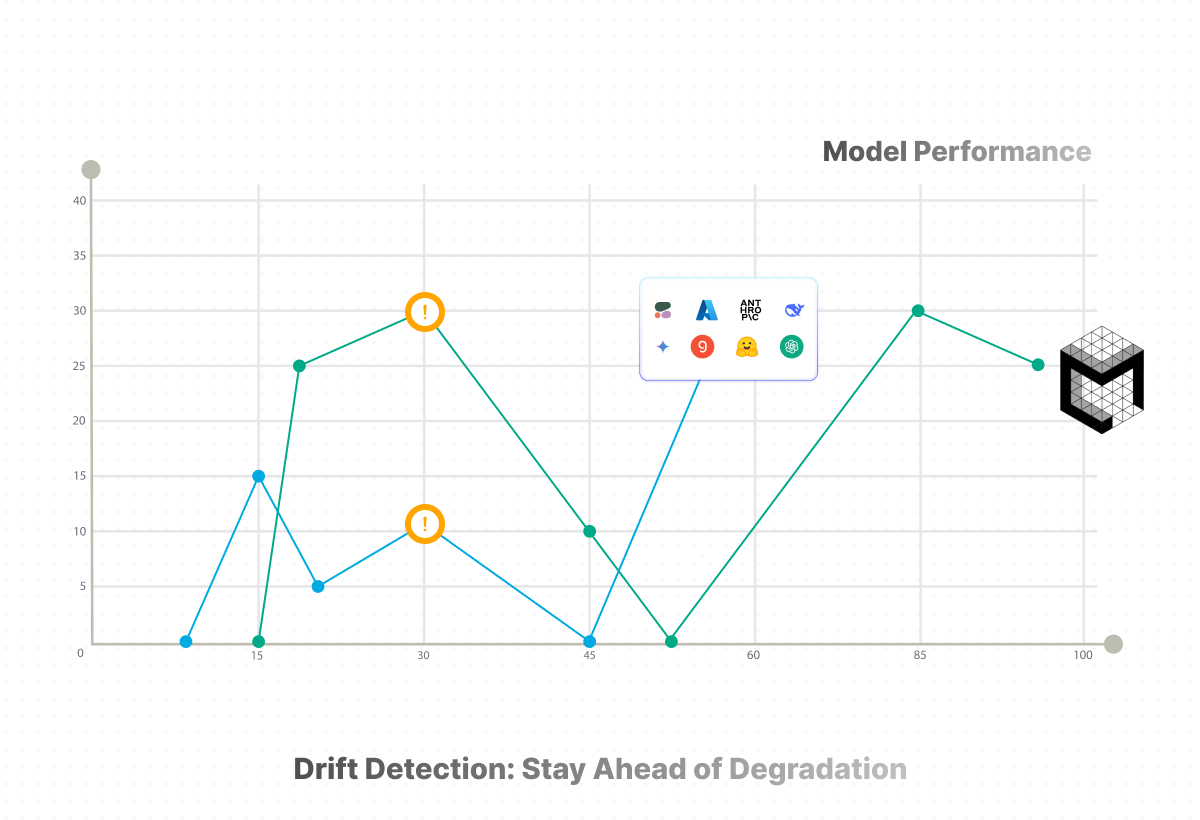
In production, users interact with AI systems in unexpected ways. Data quality varies. Edge cases emerge that weren't anticipated during development. Model outputs that were acceptable in testing look different when they're directly impacting customers or business processes. Without a mechanism for catching these failures and feeding them back into the optimization loop, production AI degrades quietly - and often quickly.
Three Things Required to Close the Production Gap
Closing the production gap requires three things. First, a validation layer that evaluates outputs against defined quality, accuracy, and compliance thresholds before they're surfaced - catching failures at the point of generation rather than after the damage is done. Second, comprehensive analytics that surface patterns in failure modes, enabling systematic improvement rather than reactive firefighting. Third, a continuous optimization process that applies learnings from production monitoring back into the prompt, context, and model configuration - so the system improves with use rather than drifting from its initial performance.
Deployment Is the Beginning, Not the End
The organizations that have cracked production AI all share this common architecture: they treat deployment not as the end of the development cycle, but as the beginning of the optimization cycle.