
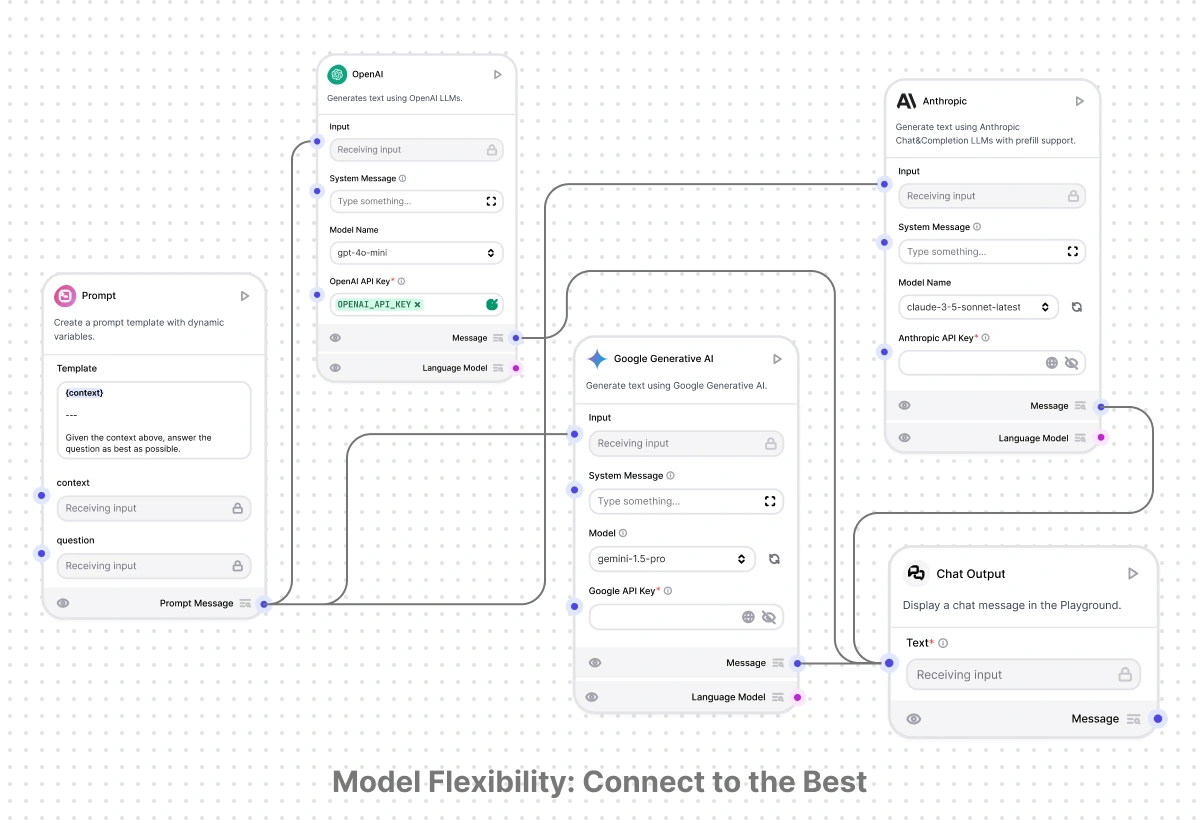
The enterprise LLM landscape has changed dramatically. What began as a market dominated by a handful of frontier models has evolved into a rich ecosystem - large reasoning models, efficient mid-tier models, specialized domain models, and small models optimized for specific task types. The implication for enterprise AI architects is significant: model selection is no longer a one-time infrastructure decision. It's an ongoing optimization problem.
Start With Workload Taxonomy
Effective model mapping starts with workload taxonomy. Enterprise AI workflows are rarely uniform in their requirements. Feasibility screening requires accurate information extraction. Proposal drafting requires coherent long-form generation. Classification tasks require speed and cost efficiency. Customer-facing summarization requires reliability and brand alignment. Each of these tasks has a different accuracy threshold, latency budget, and cost tolerance - and different models perform differently across these dimensions.
Dynamic Routing at Inference Time
Dynamic model routing applies this taxonomy at inference time. Rather than sending every query to the same model, a routing layer evaluates the task type, complexity signals, and resource constraints to select the most appropriate model for each request. This isn't a static configuration - it evolves as model performance is monitored and as the model ecosystem itself changes.
A Workflow That Compounds Over Time
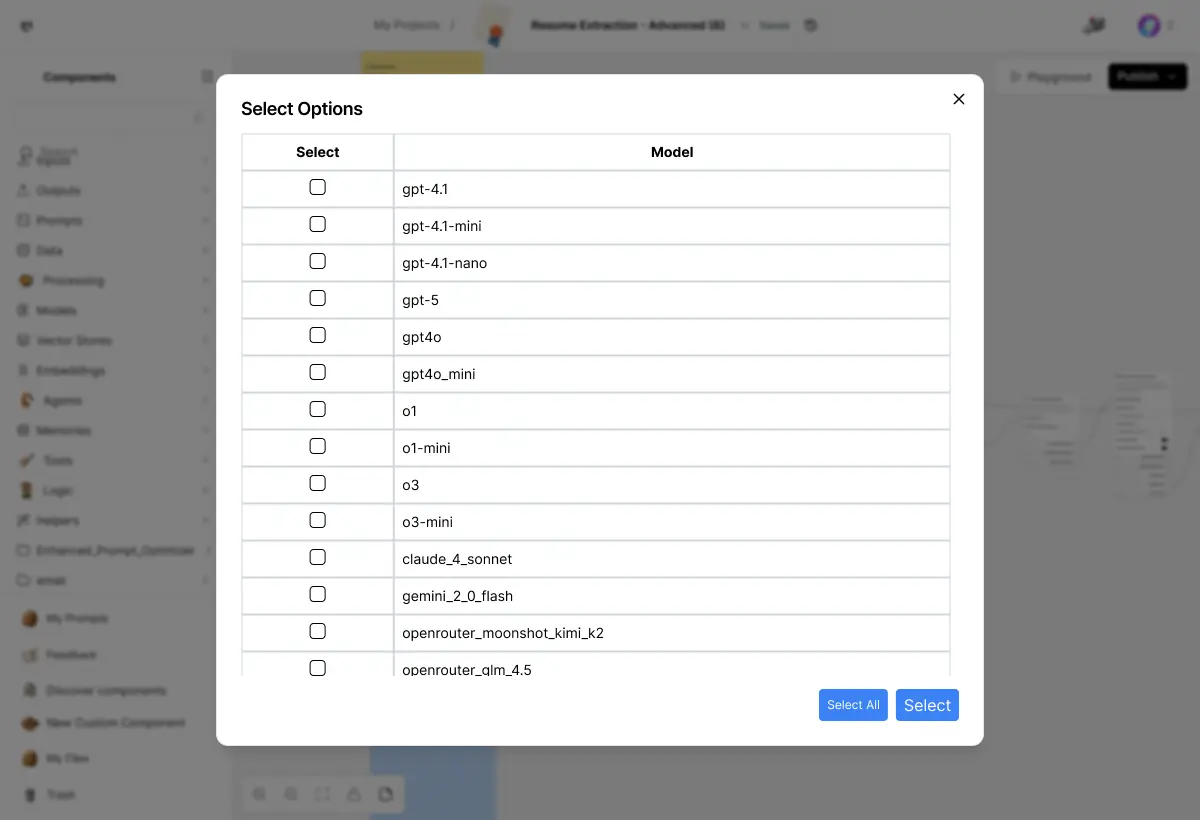
The operational benefit is a workflow that continuously improves without requiring manual re-architecture. When a new, more capable model is released, or when a specialized model proves more accurate for a specific task type, the routing layer can incorporate it without disrupting the broader pipeline. The organization's AI capability compounds over time rather than degrading toward obsolescence.
The Discipline That Separates AI Teams That Scale
Enterprises that treat model selection as a dynamic discipline - rather than a fixed infrastructure choice - build AI systems that get better, cheaper, and more capable as the technology landscape evolves.