
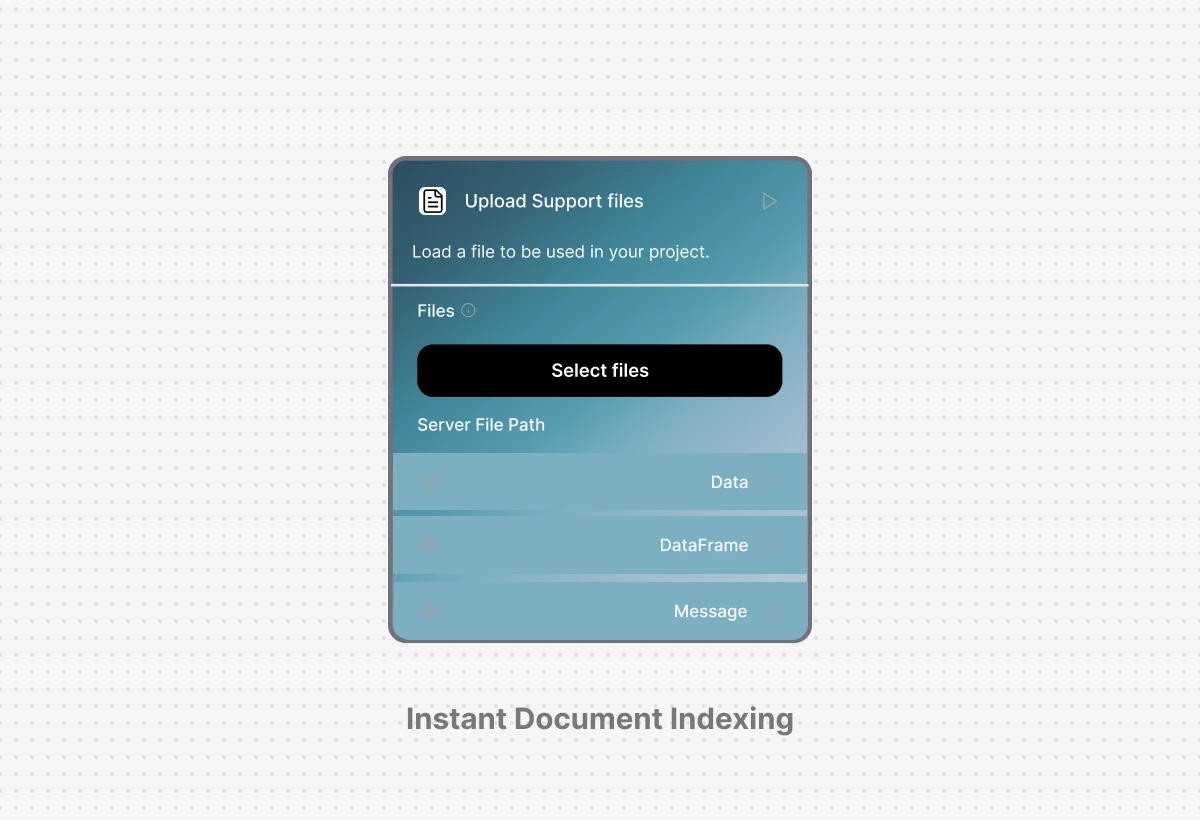
Government RFPs in the architecture, engineering, and construction sector are among the most complex documents any commercial team has to process. It is not unusual for a single solicitation to run 500 to 1,000 pages, embedding technical specifications, compliance matrices, legal requirements, and evaluation criteria across dozens of sections. For Capture Managers and Proposal Teams already managing multiple pursuits simultaneously, this creates a resource bottleneck that directly impacts win rates.
The Feasibility Screening Problem
The first challenge is feasibility screening. Before committing significant proposal resources, firms need to answer a set of critical go/no-go questions: Does the firm have relevant past performance? Are the scope and certifications aligned? Is the margin viable given the compliance burden? Answering these questions manually is time-consuming and inconsistent - different evaluators reach different conclusions from the same document.
AI-Powered First-Pass Screening
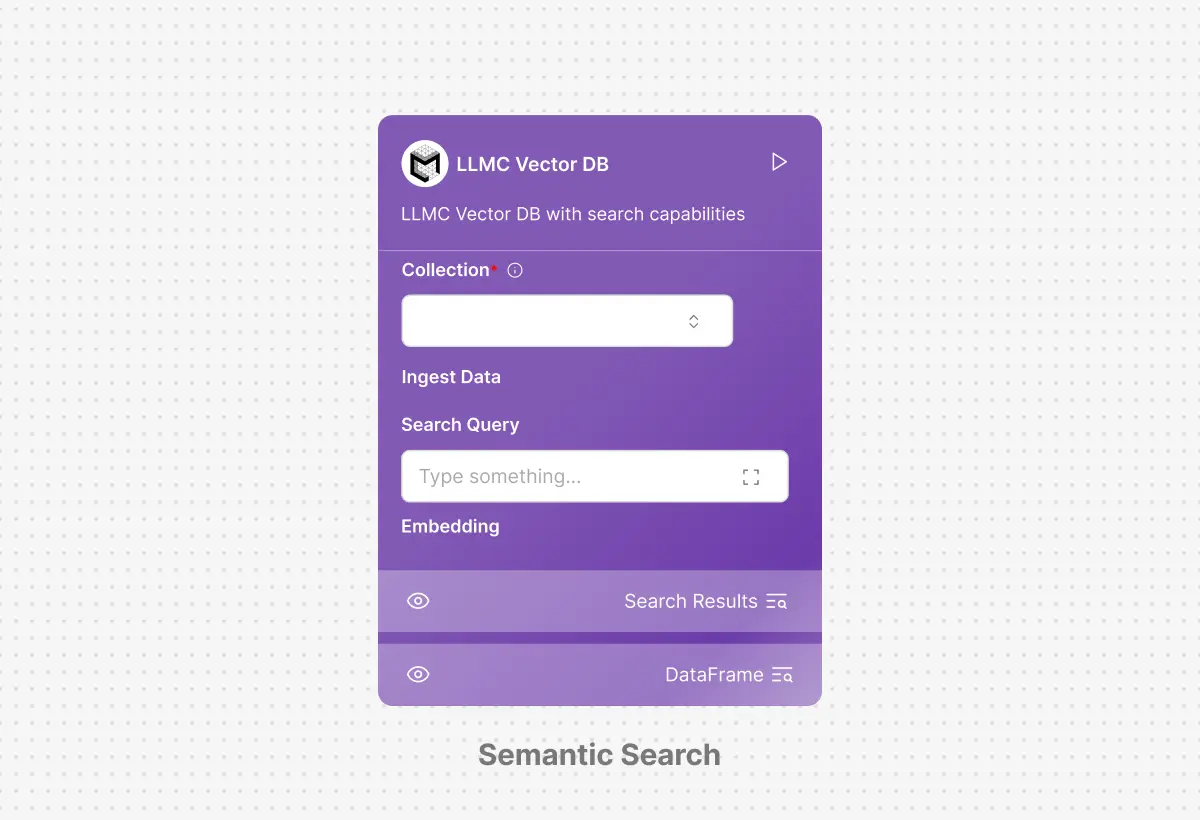
AI-powered workflow automation changes this by enabling first-pass feasibility screening at the document level. Natural language processing extracts requirements, identifies mandatory qualifications, and flags potential scope conflicts - in minutes rather than days. The system can then cross-reference extracted requirements against an internal database of past performance, surfacing the most relevant project analogues automatically.
Automated Draft Acceleration
From there, automated draft acceleration produces a structured proposal skeleton - section by section - drawing on compliant boilerplate, past-performance narratives, and capability statements tailored to the solicitation's evaluation criteria. Compliance coverage, a perennial source of proposal risk, is tracked throughout the drafting process rather than audited at the end.
The Business Impact
The business impact is significant: faster go/no-go decisions, reduced proposal labor costs, more consistent win themes, and stronger compliance alignment - all of which translate into improved win rates and better margin on the opportunities firms choose to pursue.