
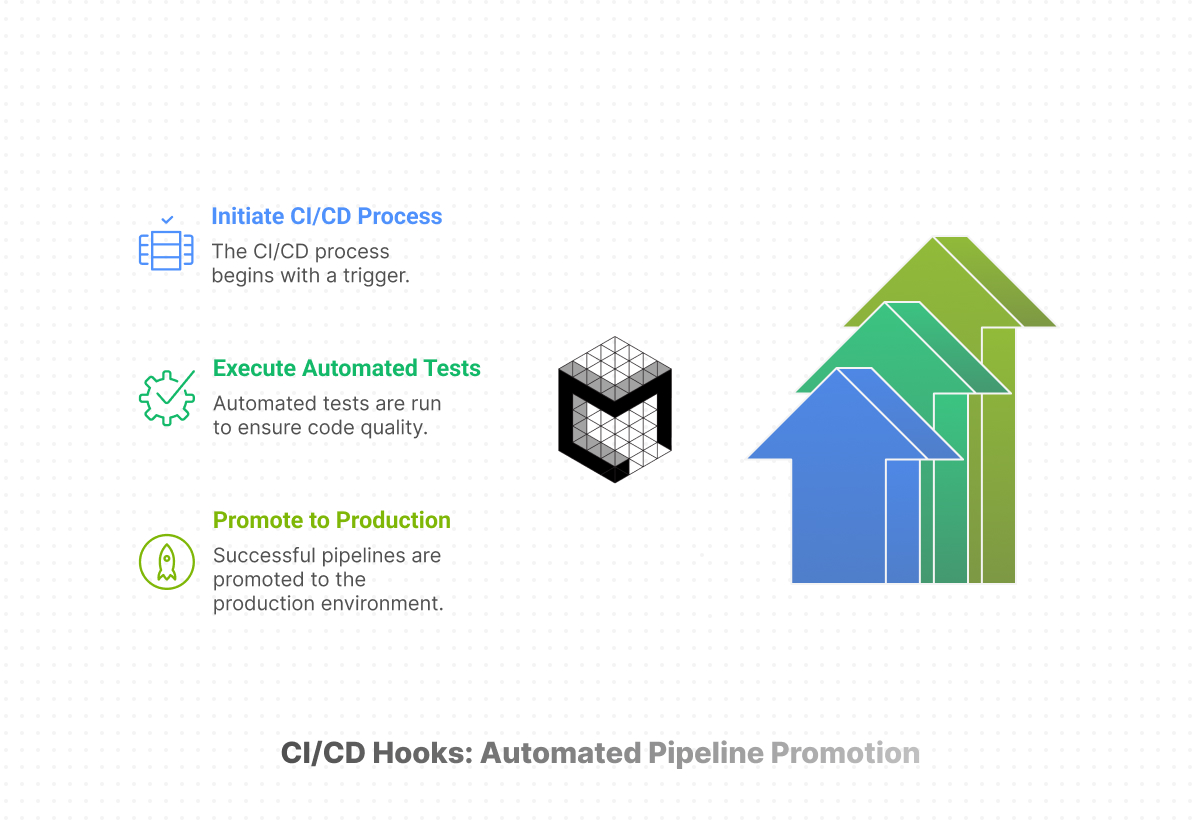
Every enterprise has a folder somewhere full of AI pilots that never shipped. A chatbot that worked in the demo but got quietly shelved. A document summarizer that impressed the steering committee and then vanished. Estimates on how many generative AI pilots actually make it to production vary, but the pattern is consistent across every serious survey: the large majority don’t. The interesting question isn’t whether this is true. It’s why it keeps happening to smart, well-resourced teams.
The first reason is that a pilot and a production system are answering different questions. A pilot has to prove the idea works once, on curated examples, in front of an audience that wants to be impressed. A production system has to work correctly on messy real-world inputs, thousands of times a day, indefinitely, without someone watching over its shoulder. Those are not the same bar, and teams routinely discover the gap only after they’ve already announced the project internally.
The second reason is organizational, not technical. A pilot usually lives with one motivated team. Production requires sign-off from several more: legal wants to know about liability, security wants to know where data goes, compliance wants an audit trail, finance wants a cost model that doesn’t blow up at scale. Each of those groups has legitimate, unresolved questions that the pilot never had to answer, because the pilot was never going to face a regulator or a real customer complaint. Getting from pilot to production often means answering, from scratch, four or five sets of questions the original build never anticipated.
The third reason is more mundane and more common than either of the above: nobody owns the pilot once the excitement fades. It was built by a consultant who has moved to the next client, or a data scientist who has moved to a different project. When the model provider ships an update and prompts stop working the way they used to, there’s no one left who understands the system well enough to fix it quickly. The pilot doesn’t get killed. It just quietly stops being maintained until someone notices it’s been broken for months.
None of these three failure modes are really about AI capability. They’re about the scaffolding around the AI: who owns it, how it gets tested before changes go live, how it proves itself to the people who have to sign off, and who’s accountable when something needs fixing. Teams that get an AI pilot into durable production tend to have built that scaffolding deliberately, usually before they started building the actual workflow, rather than hoping to retrofit it after the demo goes well.
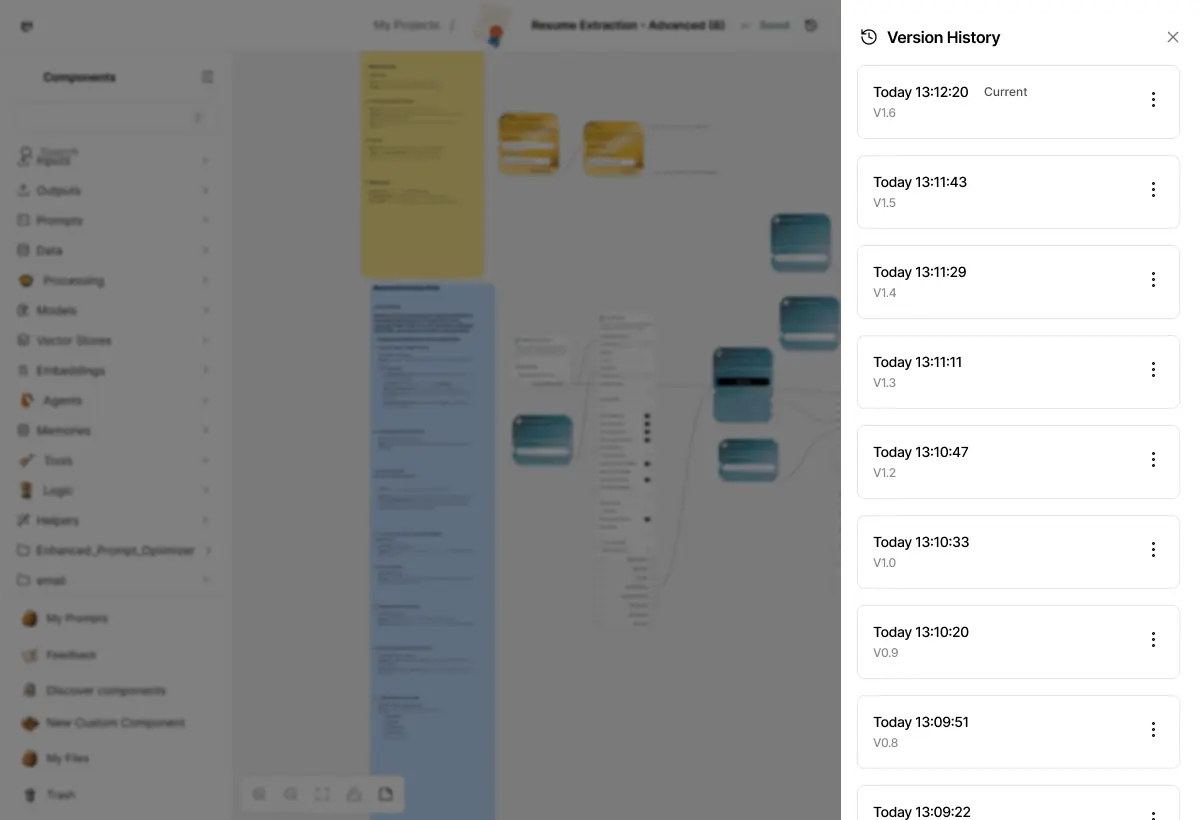
Practically, that means a few specific habits separate the pilots that make it from the ones that don’t. Define the production requirements, security review, audit logging, cost ceiling, rollback plan, before you build the first version, not after the demo succeeds. Identify who owns the system long-term before it launches, not as an afterthought once the original builder moves on. Build monitoring and version control in from day one rather than bolting it on later, because retrofitting governance onto a system already in production is far more disruptive than including it from the start.
Companies that treat the pilot and the production system as the same build, with production requirements considered from day one, don’t experience “pilot purgatory” nearly as often. The technology was never the bottleneck. The plan for what happens after the demo usually was.